

Choosing the most efficient heating system for a house in Manhattan requires more than simply comparing the ratings of various pieces of equipment, since older brownstones, prewar apartments, and renovated townhouses all have different heating needs; a heating system that works very well in a well-insulated house could fail in a poorly insulated building with outdated windows.
If people are planning to have heating installation in Manhattan, they should seriously consider using heat pumps suited to cold climates. The Mitsubishi Electric Hyper-Heating INVERTER (H2i) technology offers a very appealing solution to homes that require reliable heating during winter months in New York. However, the choice will depend on the specific building, the existing infrastructure, and local utility costs.
Most Efficient Heating Installation in Manhattan
Heat pumps used in modern cold climates are among the most efficient methods for heating houses. Rather than generate heat by combustion or through electric resistance, they transfer heat from the outside air indoors. The process enables them to deliver multiple units of heat per unit of electricity consumed.
NYSERDA considers heat pumps a high-performance solution for heating and cooling homes in New York. Still, it is essential to properly select and size the equipment to achieve the expected results.
Ductless mini-split systems can similarly avoid the expense and disruption of installing extensive ductwork in Manhattan properties. The fact that this is the case is significant for older buildings since in them the walls, ceilings, and architectural details limit the kinds of renovations that can be carried out.
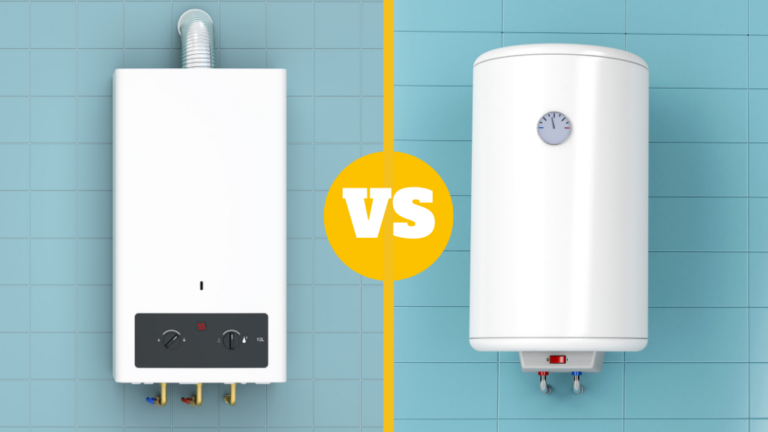
Heat Pumps vs. Furnaces vs. Boilers
All the systems have their advantages, but it is the building that decides which one is most appropriate.
Mitsubishi Electric H2i Heat Pumps
The H2i technology developed by Mitsubishi Electric enables certain heat pump models to maintain strong heating performance at very low temperatures. The company says that approved systems can maintain their rated heating capacity and operate at temperatures as low as 5°F, with operation going down to -13°F. However, actual performance will vary depending on the specific model and how it is installed.
H2i therefore deserves consideration as an option for homes in Manhattan that are likely to experience extended periods of cold weather. Apart from that, ductless indoor units can heat individual rooms, allowing occupants to have more control over rooms with different temperature requirements.
Heat pumps also provide cooling in the summer. A system that is properly designed is capable of delivering comfortable conditions all through the year without the need for both a separate furnace and a central air conditioner.
Furnaces
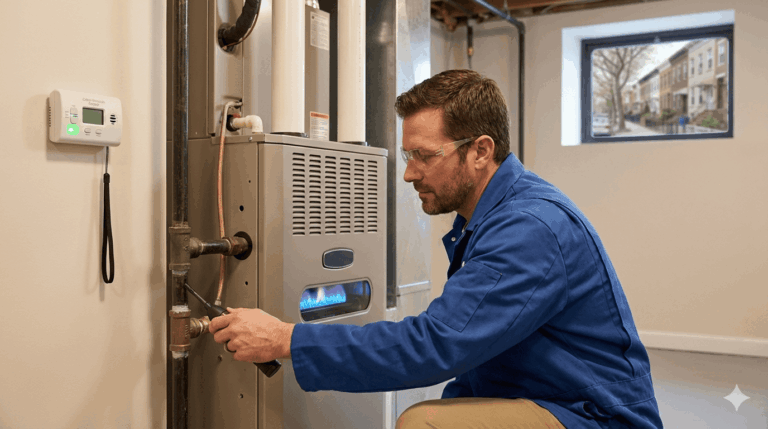
Gas furnaces heat air by combustion and then send it through the ductwork. They are suitable for properties that already have ducts and gas service. On the other hand, older homes in Manhattan that lack adequate ductwork may require expensive modifications before it becomes feasible to install a furnace.
Boilers
Boilers are used to heat water or produce steam to supply radiators and other hydronic systems; they are still frequently found in older buildings in New York. If the radiator system is still in good condition, a new boiler will be the more sensible replacement, especially where it is difficult to install heat pumps across the entire property.
Efficiency vs. Actual Operating Cost
Just because a system is efficient does not mean that it will result in the lowest utility bill. Equipment ratings reflect its performance under certain conditions, whereas actual costs depend on electricity and fuel prices, outdoor temperature, and household demand.
In some houses in New York City, a heat pump may use less energy than electric resistance heating but can still end up costing more to operate than an existing gas boiler; according to NYSERDA‘s research, the relative cost of electricity compared with natural gas is an important factor when comparing heating costs.
When choosing a heating installation or cooling system, homeowners should consider the expected annual running costs rather than just the efficiency ratings.
Older Buildings and Heat Loss
The existing housing in Manhattan has a special problem: the windows are drafty, the walls are not insulated, there are gaps around exterior doors, and the openings are not well sealed, causing indoor heat to escape, which forces the heating system to work harder to maintain a comfortable temperature.
Building Heat Loss
A professional heat loss calculation determines the amount of heating required by a house in cold weather, since the result is affected by the level of insulation, the quality of the windows, the sizes of the rooms, and air leakage.
The demand can be reduced by sealing major drafts and improving insulation before installing new equipment.
Equipment Sizing
Oversized equipment tends to operate inefficiently, while undersized equipment may struggle during cold snaps. Rather than choosing capacity based on square footage or the size of the existing unit, a contractor should calculate the heating load.
Utility Rates
Electricity and gas prices affect operating costs; by comparing these rates with the system’s expected performance, homeowners can make a reasonable decision.
Thermostat and Operating Habits
Frequent temperature changes can affect comfort and energy use. Heat pumps usually perform well with constant settings, particularly because variable-speed compressors can adjust their output to meet demand.
High-Efficiency Heating Installation for an Older Manhattan Home
The first step in a successful upgrade is the building, not the product brochure.
Start With Heat Loss
Spot drafts, poor insulation, and rooms that fail to warm up properly. Problems of this kind can weaken any heating system, no matter its efficiency rating.
Evaluate Existing Distribution
If the existing ductwork has sufficient capacity and airflow, it can be used with a ducted heat pump; however, houses with radiators may need to consider an alternative method. Although ductless heat pumps are capable of heating certain rooms, replacing a whole-house boiler will require a plan to be drawn up for each area that needs reliable winter heat.
Consider Electrification
A heat pump designed for cold climates can reduce dependence on fossil fuels while providing cooling. Before fitting one in, it is necessary to check the capacity of the electrical service, the location where the outdoor unit will be placed, any required building approvals, and any rules that apply from the condominium or co-op.
Total Cost of Ownership
Look at installation costs, anticipated energy bills, maintenance, equipment lifespan, and any available incentives. The lowest installation cost does not necessarily provide the best value over the long term. A qualified contractor should be able to determine if a full conversion, a partial heat pump installation, or a boiler replacement is appropriate for the property.
When an Energy-Efficient Heating System May Still Produce High Bills
Several issues can explain disappointing savings after an upgrade:
- Building heat loss: Drafts and poor insulation increase heating demand.
- Incorrect equipment sizing: A system that cannot meet the design load may rely on supplemental heat or struggle to maintain temperature.
- Utility rates: High electricity prices can offset some efficiency gains when replacing inexpensive natural gas.
- Thermostat settings: Excessively high settings increase demand, while unsuitable controls can trigger inefficient operation.
- Installation problems: Poor refrigerant charging, airflow restrictions, or badly positioned indoor units can hurt performance.
Regular maintenance also matters. Dirty filters, blocked coils, and neglected outdoor units can interfere with heat transfer. A post-installation performance check helps identify problems before another winter bill arrives.
Frequently Asked Questions About Efficient Home Heating Installation
What is the most efficient heating system for a home?
A heat pump that is the right size is one of the most efficient options for many houses, with the best choice varying depending on the climate, insulation, distribution systems, and local energy prices.
Does the most efficient system always produce the lowest winter bill?
Fuel prices, the amount of heat lost, the size of the equipment, and the way it is operated all affect the final bill. In certain cases, a highly efficient electric system may end up costing more to operate than gas central heating.
Why is my heating bill so high?
Poor insulation, air leaks, severe weather, high utility bills, and inefficient equipment can all lead to increased costs, and having a professional examination can help identify the cause.
Why did my energy bill stay high after installing a more efficient heater?
The new heating system could have the same level of heat loss as the old one, and savings might also be limited due to incorrect sizing, installation issues, or high electricity costs.
Is a heat pump suitable for an old house?
Yes, on the condition that the system meets the building’s heating requirements and the heating installation constraints. Ductless models are useful when installing new ductwork is not practical.
Can a heat pump really handle a drafty apartment or house?
A cold-climate model that has been properly chosen can produce a great deal of heat, but strong drafts increase demand. Improving air sealing and insulation helps the heating system work more efficiently.
Conclusion
For many homeowners in Manhattan, a Mitsubishi Electric H2i heat pump provides an efficient way to achieve year-round comfort. The choice should instead be based on the building’s heating demand, its electrical capacity, and the associated operating costs. Arnica Heating And Air Conditioning will be able to assess the property and decide which option—a heat pump, a furnace, or a boiler—makes the most sensible long-term decision.