
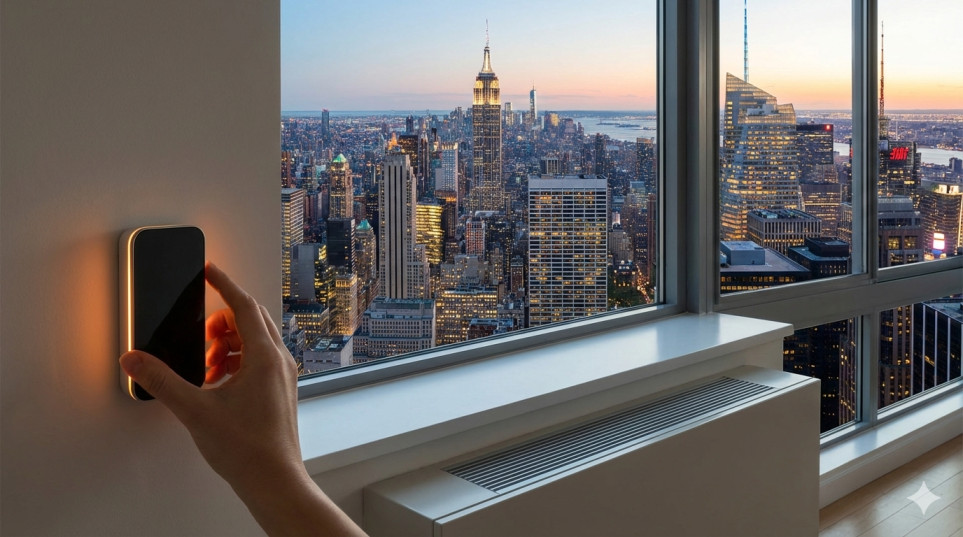
Every year, New Yorker’s face the biting reality of freezing winters. Whether you are in a historic Brooklyn brownstone or a high-rise in Manhattan, your reliance on home heating is absolute. However, for many, that warmth comes with a lingering feeling of anxiety. You might find yourself worrying about the silent threat of carbon monoxide or the catastrophic potential of a gas leak.
It is important to address these fears with facts rather than intuition. While the risks associated with older technology were significant, modern engineering has transformed gas heating unit into a highly sophisticated and secure option. Understanding the evolution of these systems is the first step toward achieving a warm home without the weight of worry.
Why Safety Is a Major Concern for New York Homeowners
The primary source of anxiety for New Yorker’s is density. In boroughs like Queens and Brooklyn, families often share walls in extremely tight quarters. In these environments, a malfunction in one unit doesn’t just affect a single household—it impacts the entire block.
- Aging Infrastructure: Many New York buildings still rely on outdated boilers and furnaces that have bypassed their intended lifespan.
- Restricted Ventilation: Tight urban spaces often lack the natural airflow found in suburban homes, making exhaust safety critical.
- The “Density Domino Effect”: The fear that a neighbor’s neglected system could compromise your own safety.
Thankfully, the shift toward modern, energy-efficient units is solving these shortcomings of the past. Today’s systems are designed specifically to mitigate the risks inherent in high-density living.
Old Furnaces vs. New Advanced Systems: The Safety Leap
A few decades ago, gas furnaces relied on mechanical simplicity, which unfortunately meant fewer safety redundancies. Old systems in Manhattan and Queens often featured standing pilot flames—small, constant fires that burned 24/7. These were prone to blowing out, leading to potential gas accumulation.
Modern systems have replaced these risks with advanced engineering:
- Electronic Ignition: No more standing pilots. The system only ignites gas when heat is actively requested.
- Sealed Combustion: Many new units draw air from outside and vent exhaust directly back out, ensuring no indoor air is contaminated.
- Smart Diagnostics: New units can “self-diagnose” a problem and shut down before human eyes catch an issue.
Key Safety Features: Your Home’s “Silent Guardians”
If you are considering a new installation, it helps to understand the specific components that keep you safe. Modern gas heating is a layered defense system.
- The Thermocouple & Flame Sensors: In older units, the Thermocouple detects a flame. If the flame dies, it signals the gas valve to snap shut. In modern high-efficiency units, smart flame sensors do this with even greater precision, reducing gas flow in milliseconds if ignition fails.
- The Limit Switch: This device monitors the temperature of the plenum (the main heating chamber). If the system begins to overheat due to a blocked filter or motor failure, the limit switch kills the gas immediately to prevent fire.
- Air Pressure Switches: This is a vital feature for New York apartments. It ensures that the “inducer fan” is successfully pushing exhaust fumes out of the chimney or vent. If the vent is blocked by snow or debris, the pressure switch detects the lack of airflow and prevents the furnace from starting.
- Intermittent & Hot-Surface Igniters: These modern ignition styles are far safer than old pilot lights because they only generate heat or a spark during the actual heating cycle, saving money and reducing fire risks.
City-Specific Insights: Challenges Across the Boroughs
New York’s diverse architecture requires a tailored approach to gas safety. Each borough presents a unique “scenario” for heating installations.
- Queens: Features many older detached and semi-detached homes. Safety upgrades here often involve lining old chimneys to handle the moisture produced by new high-efficiency furnaces.
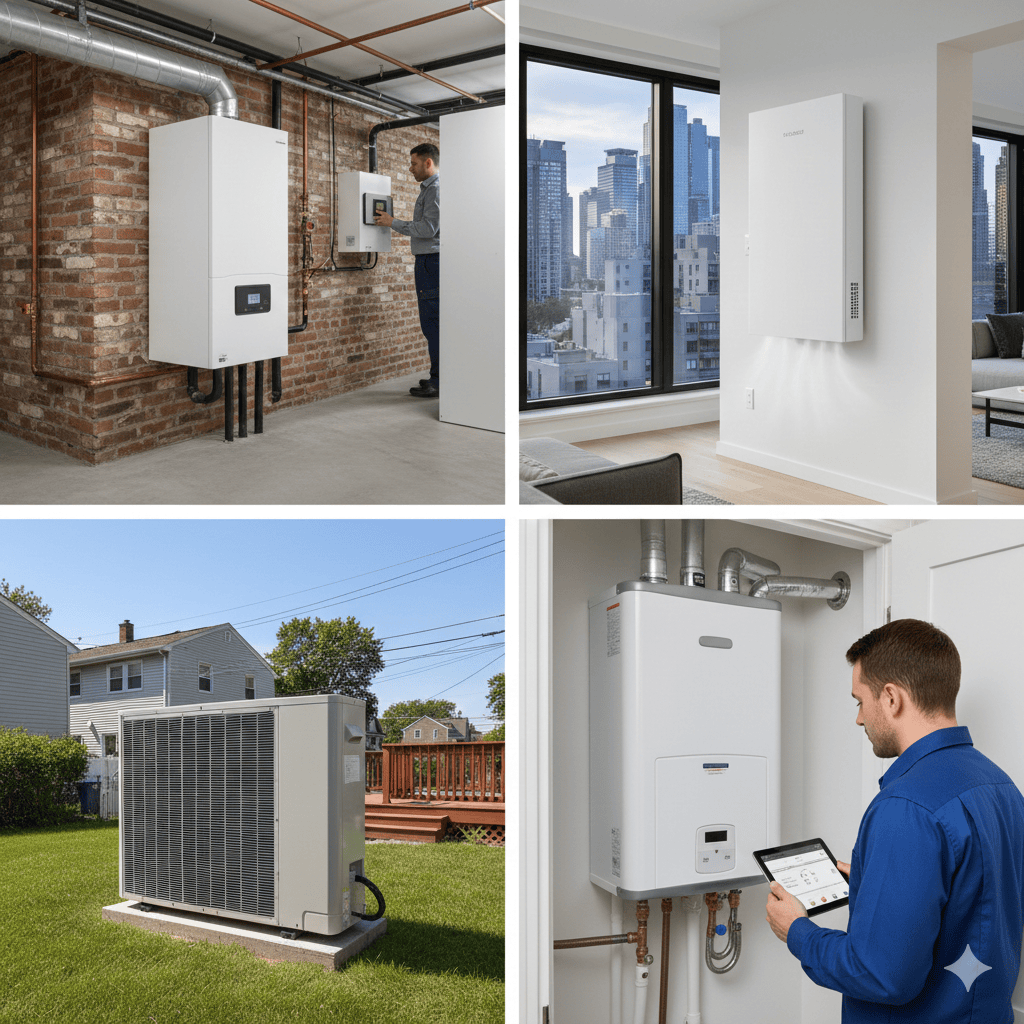
- Brooklyn: The challenge in brownstones is often the compact basement. Modern “low-profile” units are designed to fit these tight spaces while maintaining strict clearance-to-combustible standards.
- Manhattan: High-rises must follow the most stringent New York Department of Buildings (DOB) codes. Luxury towers often require specialized fire-suppression integration.
- Staten Island: With more standalone homes and larger basements, homeowners here have the flexibility to install larger, multi-stage units that offer the highest levels of reliability during blizzards.
The Necessity of Professional Compliance
In New York City, a “DIY” gas installation isn’t just a bad idea—it’s a legal and safety disaster. Professional installation remains mandatory for several reasons:
- Code Knowledge: Licensed technicians understand the specific venting and piping materials required by NY building codes.
- Permitting: You need a permit for gas work to ensure your home remains insurable and sellable.
- Combustion Analysis: Professionals use specialized tools to measure the level of carbon monoxide in your exhaust, ensuring the system is tuned perfectly.
FAQ: Gas Heating Safety in New York
Is gas heating safe in New York homes?
Yes. When installed by licensed professionals according to New York building codes, modern gas systems are incredibly safe. New technology has virtually eliminated the leak risks associated with older systems.
Are modern furnaces safer than old ones?
Significantly. New units use electronic ignitions instead of standing pilot lights and include multiple “fail-safe” switches that automatically shut off the gas if any component malfunctions.
Can gas heating cause carbon monoxide poisoning?
While any combustion can produce carbon monoxide (CO), new systems feature air pressure switches and sealed combustion that ensure toxic fumes are safely vented outside. Adding a digital CO detector provides an extra layer of security.
Do I need a permit for installation?
Absolutely. The New York Department of Buildings requires permits and inspections for all gas-related work. This ensures the installation meets every safety regulation and avoids legal issues during future home sales.
Is it risky to put a new system in an old Queens home?
Actually, it is safer. Replacing an old, deteriorating furnace with a modern unit removes the hazards of outdated tech. A professional will simply ensure your existing ventilation and piping are upgraded to match the new system’s requirements.
Conclusion: Moving from Fear to Confidence
Modern gas heating is no longer the “risky” option it was thirty years ago. With the advent of electronic ignitions, air pressure sensors, and smart limit switches, these systems are now among the safest ways to heat an urban home. Don’t let the “quagmire” of old technology prevent you from enjoying a warm, secure winter. By choosing a professional heating installation and committing to annual inspections, you can ensure your New York home remains a sanctuary against the cold.

Over 35 years of experienced HVAC engineer and blogger with years of experience writing about various topics related to multiple types of HVAC systems installation, repair, and maintenance. I have been in this industry since my apprenticeship in 1985. Our team emphasizes quality workmanship while ensuring customer satisfaction is our top priority.


Leave a Reply
You must be logged in to post a comment.