Gas Vs Electric Water Heater Installation in Queens

Nobody thinks much about the water heater until the shower turns cold halfway through, or the gas bill shows up looking a little too aggressive. That’s usually the moment gas vs. electric stops being a background question and turns into a decision someone actually has to make.

Here’s the honest answer: it depends on the house. The right pick comes down to what’s already running through the walls, how much hot water the household burns through, what the installation actually involves, how much space there is to work with, and what energy costs locally.

For homeowners planning water heater installation in Queens, both gas and electric can be the right call — just not for the same house. Gas tends to run cheaper to operate where a gas line is already in place. Electric can be the simpler install in plenty of situations, and for some homeowners, it’s also a practical way to move away from combustion-based equipment altogether.

The real job is matching the equipment to the property, not picking a side.

Gas vs. Electric Water Heater: Key Differences

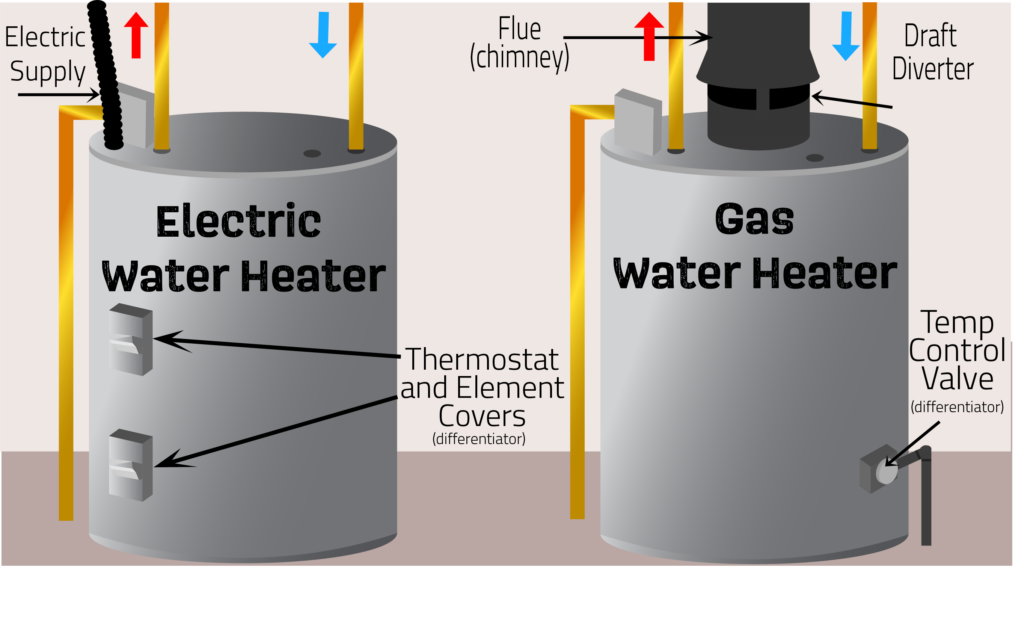
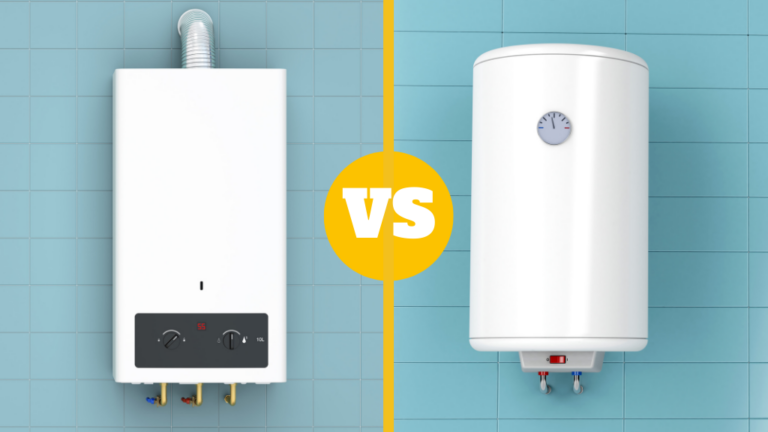
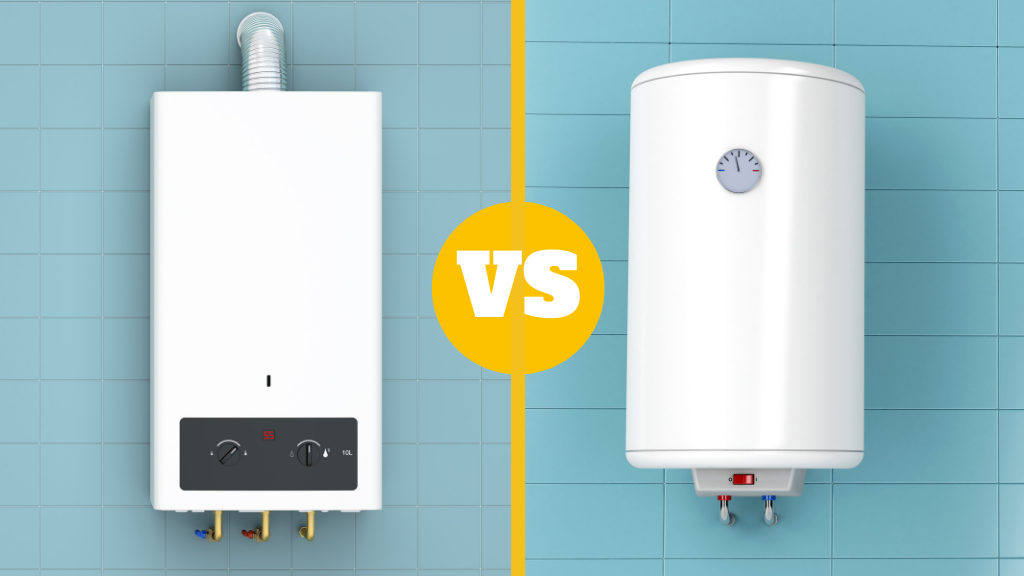
A traditional gas water heater burns fuel to heat water sitting in a tank. Electric models skip the flame and use heating elements instead. Both store hot water in a tank as the default setup, though tankless versions heat water on the fly as it moves through the unit.

Existing infrastructure tends to make the decision before anyone else does.

A house with a working natural-gas line and proper venting is usually a good candidate for gas. A property without gas service often finds electric to be the easier road, since running a new gas connection and building out venting adds real cost and complexity to a project that didn’t need to be complicated.

Gas systems need combustion-air provisions and correct venting to work safely. Electric units skip that step entirely — no combustion gases means no flue required. They do come with their own electrical demands, though, and those need a look before anything gets installed.

Worth mentioning: the original Arnica Heating and Air Conditioning guide points out something homeowners often miss. Houses without natural gas access don’t really have a choice — electric is the option. Houses with gas access get to weigh both.

Which Is Cheaper & More Efficient?

There’s no clean, one-size-fits-all answer here, and anyone who claims otherwise is skipping details.

Gas can cost less to run where natural-gas rates are favorable and the infrastructure’s already sitting there. Add a gas line or rework the venting, though, and that cost advantage can shrink fast — sometimes fast enough to change the math entirely.

Electric water heaters often come in cheaper to install in certain homes simply because they skip combustion venting. They can also slot into spaces where extending gas lines would be a hassle.

Efficiency comes down to the technology, not the fuel type on the label. ENERGY STAR measures this with something called Uniform Energy Factor, or UEF — the higher the number, the more efficient the unit.

That same Arnica guide notes water heating can eat up roughly 18% of a home’s yearly energy use. That’s not a small slice of the bill, which makes equipment efficiency worth real attention rather than an afterthought.

Bottom line: don’t judge a water heater by its price tag alone. Installation, energy use, upkeep, and expected lifespan all belong in the decision.

Gas Water Heater Vs Electric Water Heater Installation Queens NY

Choosing the Right Water Heater Size

Bigger isn’t automatically better here — it’s just bigger, and sometimes that’s wasted money.

Standard residential tanks usually run somewhere between 20 and 80 gallons. What size actually makes sense depends on how many people live in the house and when they’re all reaching for hot water at once.

A household running back-to-back showers while the dishwasher and washer both churn away puts way more strain on a system than two people living quietly with staggered schedules.

This is where First-Hour Rating, or FHR, earns its keep. FHR estimates how much hot water a storage heater can deliver in its first hour, starting from a fully heated tank. ENERGY STAR treats it as one of the core numbers for judging water-heater performance.

Worth weighing before choosing a system:

  • Number of people in the household
  • Typical shower patterns and timing
  • Dishwasher usage
  • Laundry habits
  • How much simultaneous hot-water demand happens
  • Tank capacity paired against FHR

Water Heater Installation in Brooklyn & Queens

This article’s centered on Queens, but the same practical groundwork applies to water heater installation in Brooklyn too.

Start by figuring out what’s already there. Does the property have natural gas? Is the gas line sized properly for the equipment? Is there a suitable vent or chimney? Going electric instead? Check whether the electrical panel has the capacity the new unit needs.

Plumbing connections matter just as much. A replacement can involve changes to water piping, shutoff valves, pressure controls, drainage, or other pieces that don’t always show up until someone’s under the sink.

New York requirements can shape the project too. The city treats plumbing work that alters or permanently changes piping as work that generally falls under its plumbing permitting rules, while certain routine repairs and replacements may be exempt. Licensed Master Plumbers handle the permitted work, depending on scope.

There’s also a fairly recent update worth knowing about. As of February 22, 2026, Local Law 142 changed how ordinary plumbing work gets handled, including an OP128: Heat & Hot Water form now required for water heater replacements in certain 1-to-5-family residential buildings.

So before anyone assumes a swap is just a swap, it’s worth checking current requirements for that specific property.

Should You Switch From Gas to Electric?

Sometimes, yes — and it’s not always a hard call.

Switching tends to make sense when:

  • The current gas unit is nearing the end of its life
  • Gas venting is expensive or a pain to modify
  • The home’s electrical capacity is already up to the task
  • The homeowner wants combustion out of the water heating equation
  • The old system has turned into a maintenance headache

That said, switching to electric isn’t automatically a plug-and-play upgrade. Conventional electric water heaters can demand a fair amount of electrical capacity, and panel limitations sometimes need addressing before installation can even start.

If a home already has a working gas connection and proper venting, sticking with gas is often the more practical move from an installation standpoint.

Tank vs. Tankless Water Heaters

Storage tank systems keep a reservoir of hot water ready to go at all times. They’re familiar, relatively simple, and come in both gas and electric versions.

Tankless water heater systems flip that approach and heat water as it’s needed. They save space and skip the job of keeping a big tank of water hot around the clock, but they come with their own flow-rate, fuel, electrical, and installation requirements that can’t be ignored.

Gas tankless units still need proper combustion venting. Electric tankless models, meanwhile, can pull a serious amount of electrical capacity.

The right choice here depends on the property’s infrastructure and peak demand — not whichever option happens to be trending on social media this month.

Water Heater Installation Cost & Time

Installation cost swings a lot depending on the equipment chosen, labor involved, how accessible the space is, plumbing changes, venting, electrical work, permits, disposal of the old unit, and whether infrastructure needs an upgrade along the way.

A straightforward replacement usually moves fast. A gas-to-electric conversion, on the other hand, can pull in electrical upgrades and extra work that stretches the timeline.

So how long does installation actually take? A simple replacement often wraps up in a few hours. A more complicated job can run considerably longer. Either way, a good installer should walk through the expected scope before any work begins — no surprises halfway through.

Which Water Heater Is Right for Brooklyn Homes?

Brooklyn’s housing stock is all over the map — new apartment buildings, classic brownstones, multifamily properties that have been standing for a century.

A gas water heater tends to make sense where the gas infrastructure’s already solid and venting checks out. Electric becomes more appealing where gas access isn’t there, or where cutting out combustion is a priority for the homeowner.

The building’s age and mechanical setup deserve a close look before anyone locks in a decision.

Which Water Heater Is Right for Queens Homes?

Queens runs into much the same situation. Existing infrastructure should be driving this choice, not guesswork.

A home already wired for gas may do best sticking with it, while a property set up well for electric could find that route easier to integrate. Household demand, available space, local energy rates, and installation requirements all deserve a seat at the table before anything gets decided.

Arnica Heating and Air Conditioning can walk homeowners through those factors before a system gets chosen.

Frequently Asked About Water Heater Installation

Is gas or electric cheaper for a water heater?

Gas can run cheaper to operate in some homes, but electric may work out more economical overall once new gas connections or major venting work get factored in.

Which is better, a gas or electric water heater?

Neither wins across the board. It comes down to utility costs, existing infrastructure, household demand, installation requirements, and long-term plans for the property.

Are electric water heaters more efficient?

Electric resistance systems can run highly efficient at the point of use since there’s no combustion gas to vent. Efficiency still varies by equipment type and model, and heat-pump water heaters in particular can hit significantly higher efficiency than standard electric resistance units.

How much does water heater installation cost in Queens?

There’s no reliable flat number. Equipment choice, labor, plumbing, electrical work, venting, permits, accessibility, and disposal all shape the final cost.

What size water heater does a family of four need?

A family of four usually needs more storage capacity than a smaller household, but tank size alone doesn’t tell the whole story. Compare expected peak usage against the heater’s FHR before deciding.

What is First-Hour Rating (FHR)?

FHR estimates the maximum amount of hot water a storage water heater can deliver in its first hour, starting from a fully heated tank.

Can I replace my gas water heater with an electric one?

Often, yes — but the home’s electrical capacity, plumbing, equipment location, and current New York requirements all need a look first.

Does an electric water heater need a dedicated circuit?

Many conventional electric tank water heaters need dedicated electrical service. Exact requirements depend on the equipment model and how it’s being installed.

How long does water heater installation take?

A straightforward replacement can often be done in a few hours. More involved projects take longer when electrical, plumbing, venting, or other infrastructure needs modification.

When should I replace my old water heater?

Frequent leaks, declining performance, not enough hot water, corrosion, repeated repairs, or a system that’s just getting old can all be good reasons to start thinking about replacement.

The better water heater isn’t the one with the lowest price tag on day one. It’s the one that actually fits the home’s infrastructure, household demand, budget, and long-term goals.

For Queens homeowners, Arnica Heating and Air Conditioning can help figure out whether gas or electric makes more sense before installation even starts. That upfront look can save homeowners from an expensive mismatch — and help the new system deliver reliable hot water for years to come.