
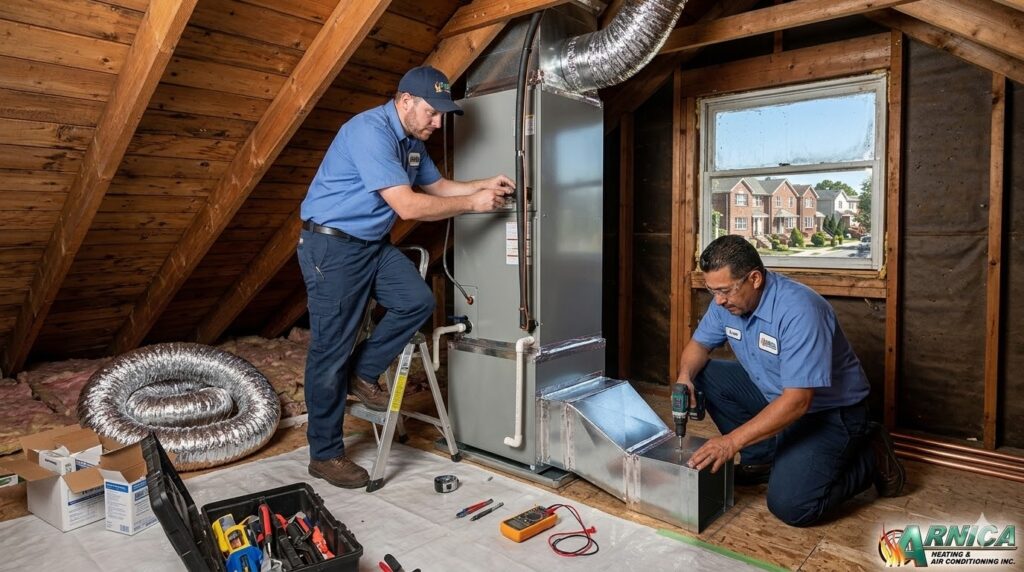
Getting a central air conditioning installation in Staten Island is no longer just about staying cool—it’s about following the rules, saving energy, and keeping long-term costs under control. With climate laws tightening over time and increasing demand for electric, property owners have to wise up and make smarter HVAC options than ever before.
Whether you’re lining up an air conditioning installation in New York for a house or a commercial building, brushing up on the latest changes can help you avoid expensive slip-ups and get the most bang for your buck.
New Refrigerant Requirements Explained for Central Air Conditioning Installation
Starting in 2025–2026, the HVAC industry is switching over to new low-global-warming-potential (GWP) refrigerants, which most folks call A2L refrigerants. These are better for the planet, but they come with a new set of rules for how they get put in.
A2L refrigerants are mildly flammable. Now, that doesn’t mean they’re dangerous—but it does mean technicians have to stick to updated safety steps:
- Leak detection sensors might be a must-have for some indoor setups.
- Certified pros need to take charge of specialized handling.
- System designs have to be updated to measure up to safety codes.
If you are looking into a central air conditioning installation in Staten Island, make sure your contractor is up to speed on A2L systems. This isn’t just a suggestion anymore—it directly affects your legal compliance and insurance coverage.
Central Air Conditioning Installation Costs and ROI Analysis
Cost is usually the first thing people bring up—and for good reason.
Typical Central AC Installation Costs in New York
- Using existing ducts: $4,000 – $8,000
- Putting in new ductwork: $8,000 – $18,000+
- Commercial systems: These run much higher depending on the size and the load.
In New York, labor usually makes up about 60% of the total bill, especially since permits and red tape add to the complexity.
What Drives Your Return? The return on your investment isn’t just about the cold air. It boils down to:
- Cutting down energy use with high SEER-rated systems.
- Lowering maintenance headaches with brand-new units.
- Bumping up your property value.
- Warding off future fines from regulators.
When you map it out properly, an air conditioning installation in New York can basically pay for itself over time through power savings and staying on the right side of the law.
Compliance With Climate Laws
New York City’s climate laws are shaking up how people choose their HVAC gear.
Local Law 97 (LL97):
This rule sets out carbon emission limits for big buildings. If your system is an energy hog, you could end up shelling out for penalties every single year. By putting in energy-efficient central AC—or moving over to heat pumps—you can seriously cut back on emissions and stay within the legal limits.
The Electrification Push:
New York is moving toward “beneficial electrification,” which means:
- Phasing out a reliance on fossil fuels.
- Dangling incentives for electric HVAC systems.
- Handing out rebates for energy-efficient upgrades.
If you brush off these trends now, you’re likely to end up with much higher operating costs down the road.
Best Central Air Conditioning Types for New York Buildings
Choosing the right system is a big deal. Not every building in Staten Island is going to work well with the same setup.
1. Split Central AC Systems:
These are great for homes that already have ducts. They’re reliable and usually come in at a lower upfront cost.
2. Ductless Mini-Split Systems:
These work best for older buildings that don’t have room for ducts. They let you tweak the temperature room by room and are super efficient.
3. Heat Pumps (Cold Climate Models):
These take on both heating and cooling duties. They’re built for freezing winters and fit right in with the city’s green goals.
4. VRF (Variable Refrigerant Flow) Systems:
You’ll mostly run into these in commercial buildings. VRF (Variable Refrigerant Flow) are great at zoning and are very flexible to set up.
5. Packaged Rooftop Units:
These are a hit for businesses because they save on indoor space and are easier for mechanics to get to.
Each choice hinges on your building’s layout, how much power your panel can put out, and what your long-term goals are.
Common Questions About Central AC Installations in New York
How much does central AC installation cost in New York?
The price for a central air conditioning installation in Staten Island changes based on size, ductwork, and the type of unit. For a normal house, you’re looking at $4,000 to $12,000, while big business jobs can go past $25,000. Tacking on new ducts or beefing up electrical panels will definitely drive up the price.
Is installing central AC worth it in NYC apartments?
Yes—but you have to think it through. In apartments, space is tight, noise rules kick in, and your electrical capacity might hold you back. Often, ductless or compact units turn out to be more practical than a full central system.
Does my 2026 installation need a leak sensor for the new refrigerant?
In many cases, it does. For A2L systems put in indoors, building codes might call for leak sensors. This is especially true in cramped spaces or apartment buildings. Always check in with your licensed installer to be sure.
Can I still claim the $2,000 Federal Tax Credit in 2026?
You bet—as long as your system measures up to federal efficiency standards. Usually, this covers high-efficiency AC units and heat pumps that carry the ENERGY STAR label. Make sure you verify the requirements before you count on that money.
Should I choose a “Cold Climate” heat pump over traditional Central AC?
A lot of times, that’s the way to go. Cold climate heat pumps keep running efficiently even when it’s freezing, and they stand in for both your furnace and your AC. Plus, they often qualify for extra perks. If you’re looking ahead, they line up much better with New York’s policies.
Will a 5-ton unit increase my ConEdison bill more than LL97 fines?
Not necessarily, and that’s why sizing it right is so important. Systems that are too big eat up more power and run poorly, which just adds to your monthly bill. A correctly sized system strikes a balance between comfort and savings. Most of the time, an efficient system costs less than paying those LL97 fines.
How do I find an “A2L Certified” technician on Staten Island?
You’ll want to look for licensed HVAC contractors who have signed up for specific training on the new refrigerants. Don’t just go with the cheapest quote. A bad install can lead to safety risks and end up costing you a fortune in repairs later.
What is the 2026 carbon penalty for my building under Local Law 97?
The fines depend on how much your building goes over the emissions limit. The city works out the fine based on every ton of carbon you’re over the line. For big commercial properties, this can add up to tens of thousands of dollars every year.
Can I use a VRF system to avoid upgrading my electrical panel?
Sometimes, but you can’t count on it. VRF systems are efficient and might lower the power draw, but a pro still has to check out your panel capacity. It’s a decision you have to make on a case-by-case basis.
Is “Beneficial Electrification” a real way to get a 50% rebate?
It sure is. Programs that back electrification often offer up big rebates for heat pumps and energy-efficient upgrades. However, you have to meet the criteria based on how you use the building.
How does the 2026 workforce shortage affect my maintenance?
The HVAC industry is running low on skilled workers. This means you might deal with longer wait times and higher labor rates. Planning ahead isn’t just a good idea—it’s a necessity.
What are the NYC noise ordinances for rooftop units in 2026?
NYC cracks down on noise, especially near homes. Rooftop units have to stay under certain decibel levels and be set up to avoid bothering the neighbors. If you don’t follow the rules, you could end up with a hefty fine.
Why You Should Plan Replacement Early
A central air conditioning installation is definitely not a DIY job. It involves electrical work, handling chemicals, and sticking to building codes. By getting a head start, you can:
- Look over different systems carefully.
- Lock in your install before the summer rush.
- Avoid having to make a snap decision when your old unit gives out.
- Ensure everything squared away with the new laws.
A pro will run the numbers, check your ducts, and make sure everything is set up for the long haul.
Getting a central air conditioning installation in Staten Island has turned into a major decision that wraps in technology, laws, and money. It’s not just about turning down the thermostat anymore—it’s about making your building work better.
From choosing the right gear to maintaining refrigerant changes, every step counts. Whether you’re taking care of a home or a business, filling yourself in today can save you a lot of stress later. If you remember one thing, it’s this: start early, choose wisely, and always stick with the pros. That’s how you come out ahead with your air conditioning installation in New York.

Over 35 years of experienced HVAC engineer and blogger with years of experience writing about various topics related to multiple types of HVAC systems installation, repair, and maintenance. I have been in this industry since my apprenticeship in 1985. Our team emphasizes quality workmanship while ensuring customer satisfaction is our top priority.


Leave a Reply
You must be logged in to post a comment.