
Boiler Installation Guide for New Yorkers
As winter ends, you should inspect your current boiler’s performance or plan for a new system. This guide helps New York homeowners prepare for a boiler installation, assess their heating needs, and select the right equipment.
Is the Cold Still Getting to You?
In New York, freezing temperatures often last into April. Your boiler has run almost constantly for months to meet this demand. Even if everything looks fine on the surface, internal components may be failing.
Boilers frequently show signs of weakness during the spring. Instead of waiting for a winter breakdown, evaluate now whether you need repairs, maintenance, or a full replacement.
Why Every New York Homeowner Should Inspect Their Boiler After Winter
Months of Continuous Operation Put Boilers Under Stress
Harshest winter months demand immense performance from a New York boiler. The burner fires millions of times, the pump circulates water endlessly, and constant temperature shifts stress internal parts. Even reliable equipment wears down after round-the-clock use. A spring check-up uncovers minor problems before they escalate into costly repairs.
Why Spring Is the Ideal Time for Boiler Decisions
Spring offers the most convenient time to upgrade your home comfort. HVAC contractors schedule appointments much faster after the peak heating season ends. Technicians can install your system calmly without the rush to prevent freezing. This off-season availability gives you shorter wait times and allows you to compare equipment at your own pace, avoiding emergency shortages.
Common Boiler Problems That Appear at the End of Winter
Months of continuous use cause many systems to exhibit warning behaviors, including:
- Reduced heating efficiency
- Uneven temperatures throughout the house
- Frequent cycling
- Delayed startup
- Higher fuel consumption
These symptoms rarely resolve themselves.
Signs Your Boiler May Be Nearing the End of Its Service Life
Boiler Age vs. Expected Lifespan
With regular maintenance, a residential boiler typically lasts about 15–20 years. When a boiler passes this milestone, replacement offers the most economical solution.
Frequent Repairs Throughout the Winter
Constant service calls indicate a serious underlying problem. Installing new parts every season ultimately costs more than buying a modern, energy-efficient boiler.
Rising Heating Bills Without Increased Usage
A steady rise in utility bills despite stable thermostat settings signals decreasing efficiency. A broken heat exchanger, a failing burner, or internal scaling usually causes this issue.
Inconsistent Heating Across Multiple Rooms
Cold spots and underperforming radiators point to blockages, restricted flow, or a deteriorating boiler.
Persistent Noises, Leaks, or Pressure Problems
Leaking, dripping, kettling, low pressure, frozen condensate pipes, thermostat faults, and banging or whistling noises all require professional care. Contact a technician today.
Boiler Repair or Boiler Replacement? How to Make the Right Decision
Situations Where Repair Still Makes Sense
Fortunately, repair makes sense if your boiler is relatively new, the problem remains contained, and the overall system functions well.
When Replacement Is the More Cost-Effective Investment
Homeowners with a boiler older than 15 years that requires constant repairs should seriously consider a replacement. Schedule a Staten Island boiler installation now to preempt an emergency winter failure.
Comparing Short-Term Repair Costs vs. Long-Term Savings
Cheap temporary repairs can trigger higher recurring expenses later. Modern boilers use less fuel and deliver superior, consistent comfort.
Common End-of-Winter Boiler Issues and Their Causes
Low Boiler Pressure
Boilers operate as closed systems that circulate the same water. If your system loses pressure, corrosion or age has likely caused a leak. A trained representative must locate the leak, repair it, and determine if you need a new boiler.
Water Leaks & Corrosion
Small leaks cause severe structural damage and accelerate internal corrosion.
Kettling & Limescale Build-Up
Over time, mineral deposits accumulate within the heat exchanger. This limescale buildup causes a rumbling or kettling sound. Chemical scale removal restores efficient heat transfer.
Frozen or Damaged Condensate Components
Late-season freezes or physical impacts frequently damage outdoor components.
Thermostat & Heating Control Problems
Failing controls read temperatures inaccurately, cycle the system incorrectly, and disrupt indoor comfort.
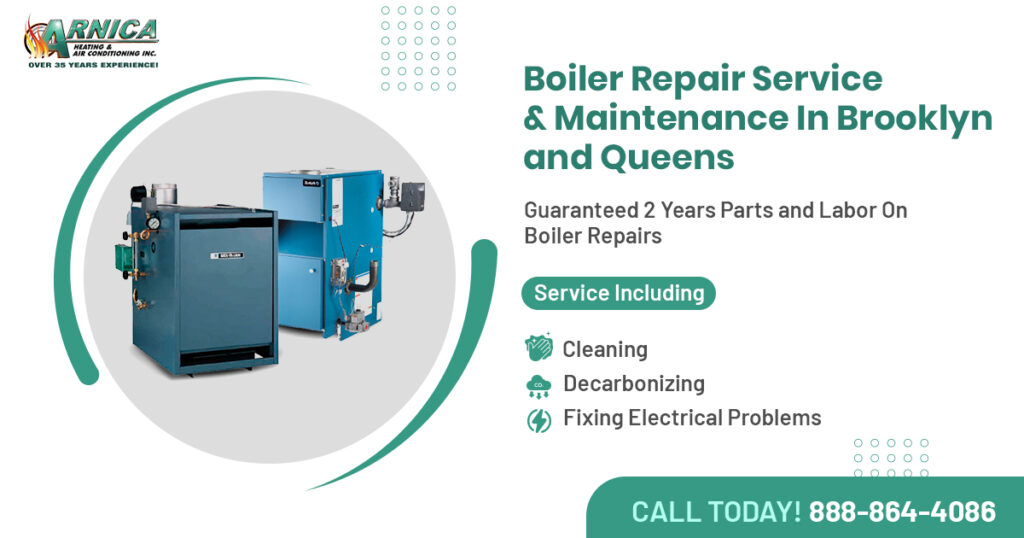
Boiler Maintenance Tasks to Complete Before Turning the System Off for Spring
Professional Boiler Inspection
A detailed examination detects worn parts early.
Cleaning Burners and Heat Exchanger
Removing soot and debris allows the system to burn fuel more efficiently.
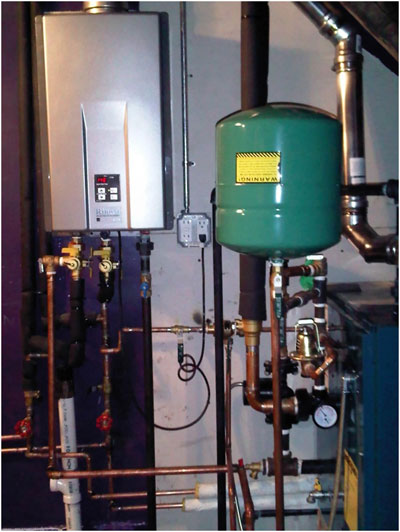
Inspecting Expansion Tank & Safety Valves
Technicians must test these devices to ensure they open safely under pressure.
Checking Ventilation & Flue System
Proper venting ensures safe operation and minimizes running costs.
Preparing the Boiler for Off-Season Shutdown
A proper seasonal shutdown procedure protects equipment from excessive loads and ensures a safe deactivation.
Should You Replace an Older Boiler Before Next Winter?
Upgrading before the peak season saves time, reduces emergency repair risks, and ensures reliable warmth during severe weather. Manhattan homeowners should install new systems in the spring rather than waiting for peak winter demand.
Choosing the Right Boiler for Your New York Property
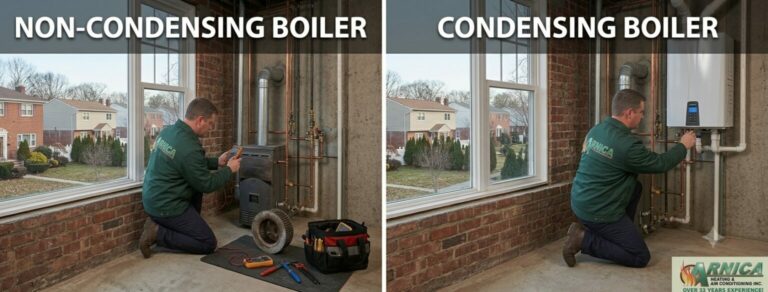
Condensing boilers deliver higher efficiency than traditional models, though property layout determines the best option. Professionals must accurately calculate the system size for brownstones, apartments, and houses.
Boiler Installation Planning Checklist
Before replacing a boiler, homeowners should complete:
- A home heating assessment
- A venting and chimney evaluation
- A water quality analysis
- The selection of a licensed HVAC contractor
How Preventive Maintenance Extends Boiler Life
Routine annual servicing, proper water treatment, consistent pressure monitoring, early leak detection, and seasonal inspections extend your equipment’s lifespan and prevent sudden breakdowns.
How will I know if my boiler is due for replacement after winter?
Consider replacement if your system requires frequent maintenance, drives up energy bills, leaks constantly, heats unevenly, or has passed 15 years of service.
Is spring the best time to replace a boiler?
Yes. Spring offers flexible contractor schedules, faster installations, and minimal disruption to your home.
How long should a residential boiler last?
A well-maintained, high-quality residential boiler lasts 15 to 20 years.
The boiler in my house kept running all winter but my heating bills were going up. Should I get a new one?
Rising operating costs indicate dropping efficiency. A technician can compare your potential repair costs against a replacement to save you the most money.
Is it worth replacing a boiler before it completely fails?
Yes. Planned replacement avoids emergency installation fees, expands your equipment options, and prevents winter heating outages.
Why do HVAC technicians recommend servicing boilers immediately after winter?
Servicing the system right after months of heavy use catches malfunctions early and resolves necessary repairs before cold weather returns.
End-of-Winter Boiler Inspection Checklist
- Boiler pressure check
- Leak inspection
- Burner condition assessment
- Heat exchanger inspection
- Thermostat operation test
- Safety valve testing
- Water quality assessment
- Ventilation and flue inspection
Don’t wait until the first cold day of next winter to discover hidden boiler problems. Spring provides the best opportunity to inspect, maintain, or replace an aging system before demand returns. Taking action now reduces repair costs, improves energy efficiency, and helps ensure reliable, comfortable heating throughout the next New York winter.