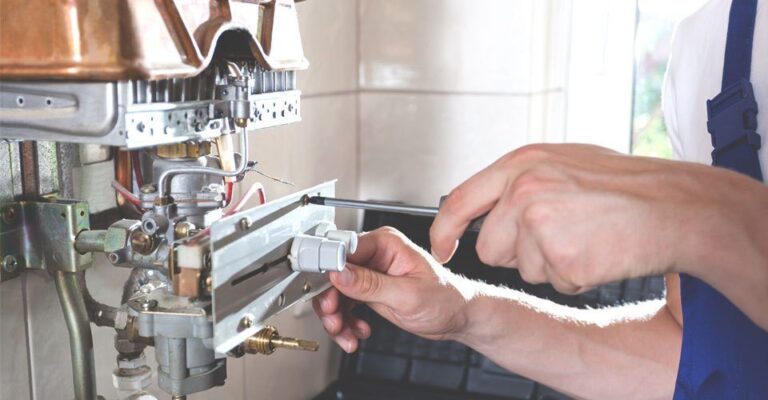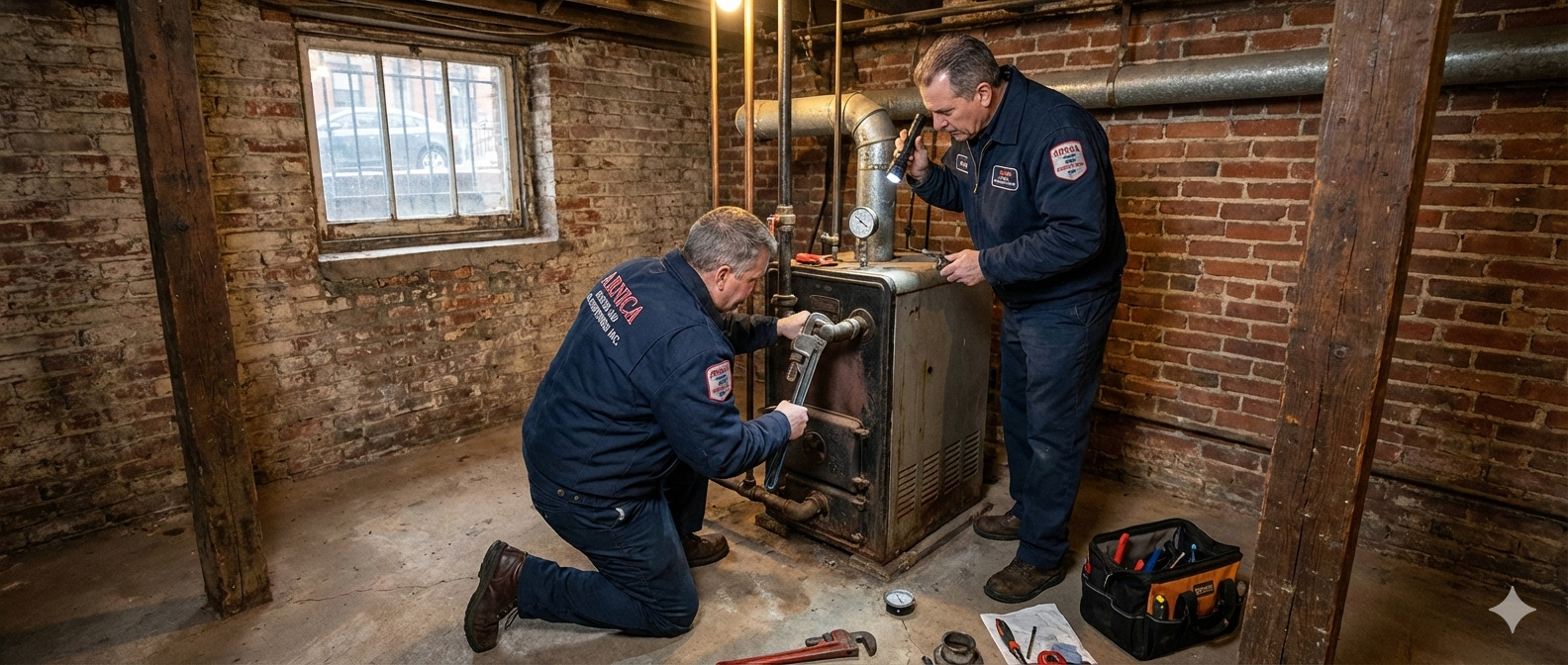

Boilers are built to last, but they aren’t maintenance-free. In New York, where heating systems work overtime through long winters, skipping routine service can quietly chip away at efficiency until a costly repair becomes unavoidable. The reality is simple. Repairing a boiler often costs far more than maintaining one. Regular inspections, cleaning, and performance checks not only help prevent unexpected breakdowns but also reduce the likelihood of needing major boiler repairs during peak heating season.
A well-planned maintenance routine combines simple visual checks with comprehensive annual servicing performed by a licensed technician. Together, they keep the system operating safely, efficiently, and reliably year after year.
Why Annual Boiler Maintenance Is More Important Than Ever in New York
Rising Utility Costs Make Boiler Efficiency a Priority
Heating costs continue to climb, making boiler efficiency more valuable than ever. A neglected boiler has to burn more fuel to deliver the same amount of heat, particularly when burners become dirty, combustion falls out of calibration, or airflow becomes restricted.
Even seemingly minor issues like carbon buildup, clogged filters, or poor combustion can increase fuel consumption over time. That translates directly into higher monthly heating bills without providing any additional comfort. Annual maintenance helps restore peak efficiency before wasted fuel becomes an expensive habit.
Why Older NYC Homes Need More Frequent Boiler Inspections
Many New York brownstones, co-ops, apartment buildings, and multifamily properties still rely on aging boiler systems. While these systems are often durable, years of continuous operation create wear that demands closer attention.
Older equipment commonly develops sediment buildup, aging gaskets, worn safety components, deteriorating controls, and small leaks that may not be obvious during everyday operation. Frequent inspections allow technicians to identify these issues before they compromise performance or safety.
The Cost of Delaying Preventive Maintenance
Putting off maintenance rarely saves money.
Instead, it increases the risk of:
- Emergency repair calls
- Mid-winter heating failures
- Reduced equipment lifespan
- Higher fuel consumption
- More expensive component replacements
Preventive maintenance is almost always less expensive than emergency service performed during freezing weather.
Boiler Maintenance Schedule: Daily, Monthly, Seasonal & Annual Tasks
Daily & Weekly Boiler Safety Checks
Routine observations help detect problems early.
Recommended checks include:
- Monitor the pressure gauge
- Look for visible water leaks
- Listen for unusual noises
- Observe burner flame through clean sight glasses
- Maintain the proper oil level in the compressor lube tank daily
- Monitor smoke alarms weekly
Keeping sight glasses clean also makes it easier to detect carbon buildup within the combustion chamber.
Monthly Preventive Maintenance Tasks
Monthly maintenance focuses on keeping the boiler operating efficiently.
Tasks include:
- Inspect air filters where applicable
- Verify proper ventilation
- Inspect condensate drains
- Monitor boiler pressure
- Control chemical treatment concentrations
- Monitor makeup water entering the boiler
- Conduct pipe inspections
- Inspect steam traps where applicable
An excessive amount of untreated makeup water often signals an underlying leak that should be investigated promptly.
Annual Professional Boiler Service Checklist
Annual service should always be performed by a certified technician.
Professional maintenance generally includes:
- Heat exchanger inspection
- Combustion analysis
- Safety valve testing
- Burner cleaning and calibration
- Electrical terminal inspection
- Inspection of all system valves
- Cleaning fireside surfaces
- Cleaning condensate receivers
- Overhauling feed water pumps
- Recalibrating operating controls
- Chimney inspection and cleaning
Many professionals also switch boiler automation into summer mode when heating season ends.
Updated Annual Boiler Maintenance Checklist
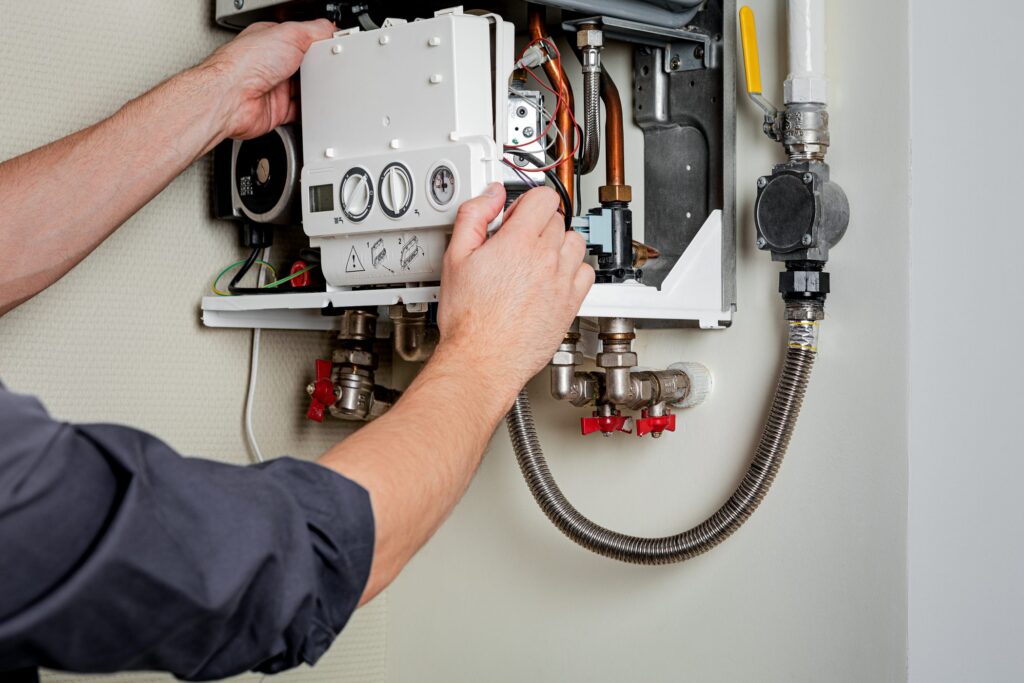
Safety System Inspection
Safety devices receive careful attention during annual service.
Technicians inspect:
- Pressure relief valves
- Low-water cutoffs
- Expansion tanks
- Carbon monoxide safety measures
Low-water cutoff devices should be flushed periodically to verify proper shutdown when water levels drop.
Combustion & Burner Performance
Efficient combustion depends on clean, properly adjusted components.
Service typically includes:
- Burner cleaning
- Ignition system testing
- Flame sensor inspection
- Fuel efficiency adjustments
- Combustion testing
Dirty burners and improper combustion settings can significantly increase operating costs.
Water Quality & Boiler Health
Water quality directly affects boiler longevity.
Technicians evaluate:
- Sediment accumulation
- Corrosion
- Water chemistry
- Leak detection
- Boiler bottom blowdown requirements
Removing sediment helps improve heat transfer while reducing internal wear.
Venting & Chimney Inspection
Proper venting is essential for safe operation.
Annual inspections include:
- Removing blockages
- Draft testing
- Inspecting vent pipes
- Cleaning chimneys
Restricted venting can negatively affect combustion and overall system safety.
Warning Signs Your Boiler Needs Immediate Maintenance
Inconsistent Heating Across Rooms
Uneven temperatures often indicate circulation issues, restricted flow, or developing mechanical problems.
Strange Banging, Whistling or Gurgling Sounds
Unusual noises frequently point toward trapped air, sediment buildup, or pressure-related concerns.
Frequent Pressure Loss
Repeated pressure drops may indicate leaks, faulty valves, or expansion tank problems.
Water Leaks Around the Boiler
Even small leaks deserve immediate attention since they can damage surrounding components over time.
Higher Heating Bills Without Increased Usage
Unexpected increases in heating costs often signal declining boiler efficiency.
DIY Boiler Maintenance vs Tasks That Require a Licensed Technician
Safe Homeowner Maintenance
Homeowners can safely perform:
- Visual inspections
- Pressure monitoring
- Radiator bleeding where applicable
- Keeping the surrounding area clean
- Watching for leaks and unusual noises
Maintenance That Should Never Be DIY
Professional technicians should handle:
- Gas connections
- Combustion adjustments
- Electrical testing
- Safety valve servicing
- Burner calibration
- Operating control recalibration
Improper servicing can create safety hazards while reducing system performance.
Boiler Maintenance Tips for Different New York Property Types
Single-Family Homes
Annual servicing combined with routine homeowner inspections usually provides reliable performance.
Brownstones
Older piping, aging boilers, and historic construction often require more detailed inspections.
Apartment Buildings
Routine maintenance helps minimize tenant complaints while reducing the risk of system-wide failures.
Commercial Properties
Commercial boilers require structured maintenance programs with scheduled inspections throughout the year.
How Regular Boiler Maintenance Reduces Repair Costs
Prevents Emergency Breakdowns
Routine inspections catch developing problems before they escalate.
Improves Fuel Efficiency
Clean burners and properly adjusted controls reduce fuel consumption.
Extends Boiler Lifespan
Well-maintained equipment experiences less wear throughout its operating life.
Protects Manufacturer Warranty
Many manufacturers require documented annual maintenance to maintain warranty coverage.
Common Boiler Maintenance Mistakes New York Homeowners Make
Common mistakes include:
- Skipping annual inspections
- Ignoring pressure fluctuations
- Delaying small repairs
- Blocking ventilation areas
- Hiring unqualified technicians
These oversights often lead to avoidable repair costs later.
Boiler Maintenance Checklist Before Winter
Inspect Before the First Cold Weather
Don’t wait until temperatures drop before evaluating boiler performance.
Test Thermostat & Heating Controls
Confirm all controls respond properly before heavy seasonal use.
Check Radiators and Zone Valves
Ensure heat distributes evenly throughout the property.
Schedule Professional Boiler Tune-Up Early
Scheduling maintenance before peak heating season avoids long wait times and helps identify issues before winter arrives.
How often should a boiler be serviced?
A professional boiler inspection and tune-up should be performed once every year, ideally before the heating season begins.
Does annual boiler maintenance reduce energy bills?
Yes. Proper cleaning, combustion adjustments, and system inspections improve efficiency and reduce unnecessary fuel consumption.
What is included in a professional boiler maintenance visit?
A typical visit includes safety inspections, burner cleaning, combustion testing, electrical inspections, valve testing, heat exchanger evaluation, and system calibration.
My boiler still works fine. Is annual maintenance really necessary?
Yes. Many developing issues remain hidden until they become major failures. Preventive maintenance identifies those problems early.
Is it cheaper to repair a boiler every few years instead of servicing it annually?
No. Emergency repairs usually cost considerably more than routine maintenance and often shorten equipment life.
Why do so many NYC homeowners schedule boiler service before winter instead of during the season?
Pre-season maintenance reduces the chance of breakdowns during the coldest months, when service demand is highest and heating becomes essential.
Annual Boiler Maintenance Checklist
Weekly Visual Inspections
- Check pressure gauge
- Look for leaks
- Observe burner flame
- Listen for unusual noises
- Monitor smoke alarms
Monthly Performance Checks
- Inspect air filters
- Monitor pressure
- Check ventilation
- Inspect condensate drain
- Review makeup water levels
- Monitor water treatment
Pre-Winter Preparation
- Test thermostat
- Inspect radiators
- Check zone valves
- Schedule professional tune-up
Annual Professional Service
- Heat exchanger inspection
- Burner cleaning
- Combustion analysis
- Safety valve testing
- Electrical inspection
- Chimney cleaning
- Operating control recalibration
- Feed pump inspection
Emergency Warning Signs
- Water leaks
- Pressure loss
- Loud noises
- Uneven heating
- Rising heating bills
Protect Your Boiler Investment with Preventive Maintenance
Consistent boiler maintenance is one of the most effective ways to lower operating costs while keeping heating performance dependable throughout New York’s demanding winters. Routine inspections, regular cleaning, and professional annual servicing help improve fuel efficiency, extend equipment lifespan, enhance safety, and significantly reduce the likelihood of emergency repairs when reliable heat matters most. A proactive maintenance schedule protects both the boiler and the investment behind it, delivering greater peace of mind every heating season.