As winter comes to close, it is time to take a look at your current boiler system to see how well it’s doing or to plan a new one. Ignoring the performance can only add trouble when you need it the most. This definitive Boiler repair or replacement guide for New Yorkers is intended to help you prepare you home for winter. Whether it’s repair or replacement, choosing the right service is essential.
Is the cold-wave still troubling you? Here in New York, cold can stick around well into April. Consequentially, the boiler is likely to be under stress from continuous use. While the system seems to be working fine, underlying issues are developing in the background. Gradually, they turn for worse, rendering the system inoperable.
Usually, the boiler starts to send hiccups by the springtime. So, why wait for the breakdown till next winter? Let’s analyze whether repairs, maintenance, or a new boiler installation.
Why Every New York Homeowner Should Inspect Their Boiler After Winter
Your boilers are likely to be under stress due to continuous usage.
The system has to work hard throughout the harshest winter months.
The burner fires millions of times, water is pumped and circulated endlessly and the expansion and contraction challenges internal parts. Even a reliable piece of equipment will begin to show signs of ageing after sustained use ’round the clock.
Thankfully, a spring check-up can uncover minor problems, preventing them from escalating into costly repairs.
Why Spring Is the Ideal Time for Boiler Repair Decisions
There are reasons why one should consider a spring check-up. Your HVAC appointments tend to be much easier to schedule after the demand decreases at the end of the heating season. This is the ideal time for inspection for their there’s no rush of race to keep from freezing. Plus, you get some extra time to compare equipment on your own time.
Common Boiler Problems That Appear at the End of Winter
Many systems exhibit warning behaviors after months of continuous use, such as:
- Reduced heating efficiency
- Uneven temperatures throughout the house
- Frequent cycling
- Delayed startup
- Higher fuel consumption
These symptoms don’t usually resolve themselves.
Signs Your Boiler May Be Nearing the End of Its Service Life
Boiler Age vs Expected Lifespan
The average timespan for a residential boiler is usually 15-20 years provided it’s treated to regular maintenance and tune-ups. When a boiler passes this mark, replacement is often the ideal economical solution.
Frequent Repairs Throughout the Winter
If you’re constantly making service calls, there’s a serious underlying problem. Quite often, adding new parts in each season ends up costing more in the long run than investing in a contemporary, energy-efficient boiler.
Rising Heating Bills Without Increased Usage
Persistent rise in utility bills despite same thermostat setting is a common indication of decreasing efficiency. It could be broken heat exchanger, burner or internal scaling.
Inconsistent Heating Across Multiple Rooms
If you notice cold spots and your radiators aren’t heating up properly, it could be that there are blockages, the flow is restricted or your boiler is deteriorating.
Persistent Noises, Leaks or Pressure Problems
Some common issues include:
- Leaking and dripping
- Kettling
- Low boiler pressure
- Frozen condensate pipes
- Thermostat faults
- Banging
- Whistling and gurgling noises
All these issues require a professional’s care.
Boiler Repair or Boiler Replacement? How to Make the Right Decision
Situations Where Repair Makes Sense
Fortunately, a repair makes sense if the boiler is new enough. Once you get the problem fixed, the whole system doesn’t need replacing!
When Replacement Is the More Cost-Effective Investment
Once your boiler becomes 15 years old and demands frequent repairs, you may want to consider replacement. When scheduling a boiler installation in Staten Island, make sure that you take preventive action to stop a critical problem from happening later during the cold winter months.
Comparing Short-Term Repair Costs vs Long-Term Savings
Lower running costs means higher recurring expenses in the future. Today’s boilers use less fuel and give consistently better comfort.
Common End-of-Winter Boiler Issues and Their Causes
Low Boiler Pressure
The heating boiler is a closed system that circulates the same water. If the outdoor heating boiler does not work as well, it may be due to a leak from corrosion or rough age. Whether the system needs replacement or not – minor or major, a trained representative must take the call.
Water Leaks & Corrosion
Small leaks can cause severe structural damage and speed up internal corrosion.
Kettling & Limescale Build-Up
Over time, lime-scale builds up in the heat exchanger. A rumbling sound or kettling sound often indicates lime scale build-up inside the system. Timely fix enables efficient heat transfer.
Frozen or Damaged Condensate Components
A frozen or broken condensate pipe will prevent the waste water from escaping, causing the boiler locking out for safety reasons. It is usually possible to defrost a frozen pipe yourself using warm water or a hot water bottle, but if you suspect a cracked pipe or compromised internals then you will need to call out a heating technician.
Thermostat & Heating Control Problems
Smart controls may deliver incorrect temperature readings cycle when they should be off and not provide comfort evenly. Boiler Repair and Maintenance Tasks to Complete Before Turning the System Off for Spring
Professional Boiler Inspection
Through a detailed evaluation, worn components can be detected early on.
Cleaning Burners and Heat Exchanger
Oil burns more efficiently once soot and other impurities are washed away.
Inspecting Expansion Tank & Safety Valves
Have experts check components and devices to ensure they open safely under pressure.
Checking Ventilation & Flue System
Proper venting is essential for safe operation and minimum operating costs.
Preparing the Boiler for Off-Season Shutdown
Seasonal shutdown procedures safeguard equipment from excessive loads, allowing it to shut down safely without failure.
Should You Replace an Older Boiler Before Next Winter?
There are lots of benefits to timely replacement before the high season. It helps you save time, reduce the risk of emergency repair and provide more consistent comfort when severe winter weather hits.
Choosing the Right Boiler for Your New York Property
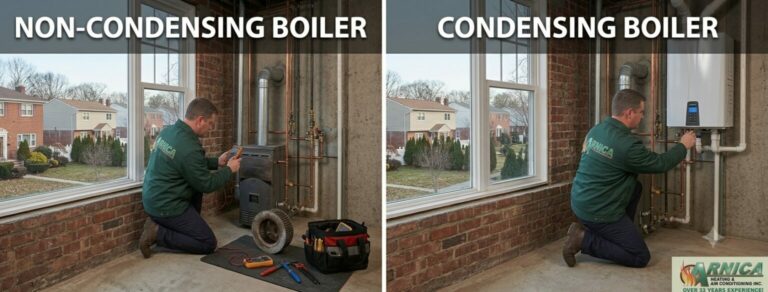
Condensing boilers are normally more efficient than a traditional type.The type of property also determines what is most suited. Size should always be taken into consideration and be correctly calculated for Brownstones, flats, and houses.
Boiler Installation Planning Checklist
Before replacing a boiler, homeowners should consider:
- Home heating assessment
- Venting and chimney evaluation
- Water quality considerations
- Choosing a licensed HVAC contractor
How Preventive Maintenance Extends Boiler Life?
By continuous, routine annual servicing, correct water treatment, continual pressure monitoring, early leak detection, and seasonal inspection, you can extend the life of your equipment and avoid sudden breakdowns.
How will I know if my boiler is due for replacement after winter?
Check out if your system requires frequent maintenance than usual. The most common signs you need replacement include:
- Experiencing ever increasing energy costs
- Suffering frustrating leaks
- Uneven heat
- The system is well over its lifespan
Is spring the best time to replace a boiler?
Yes. Usually, spring provides a more flexible schedule, quicker installation and minimized disturbance.
How long should a residential boiler last?
A quality home boiler has a lifespan of 15 to 20 years provided you keep it up to date.
The boiler in my house kept running all winter but my heating bills were going up. Should I get a new one?
A technician can analyze the boiler repair costs verses those of replacement to ensure you are saving the most money. When operating costs go up, it’s a sign of decreased efficiency.
Is it worth replacing a boiler before it completely fails?
Planned replacement escapes emergency install/repairs, offers a greater range of equipment options, and reduces potential winter disruptions of heating.
Why do HVAC technicians recommend servicing boilers immediately after winter?
Equipment inspection before operation is needed again for preventing malfunctions after months of use. Repairs should be fed up before the cold weather starts.
End-of-Winter Boiler Inspection Checklist
Reviewing the system’s age, repair history, heating performance, monthly utility bills, visible safety concerns, and upcoming renovation plans is essential.
A boiler is worth repairing as long as it functions well. If your system experiences frequent issues, you may want to consider replacement. Proper planning can prevent boilers from breaking down in an emergency, reduce the cost of heating, and keep homes warm and toasty throughout the coldest time of year.