An aging boiler doesn’t always need to go. Sometimes, a targeted repair can restore reliable heating. In other cases, recurring breakdowns point to deeper problems that a quick fix won’t solve. For New York property owners, choosing between boiler repair and a full overhaul means weighing the system’s condition, repair history, operating costs, and the risk of another shutdown during winter.
For buildings across the five boroughs, including Staten Island, the decision also depends on the boiler type, access to replacement parts, and the demands placed on the heating system. Arnica Heating & Air Conditioning helps property owners understand the available options before committing to major work.
Boiler Repair or Full Overhaul In Staten Island, New York
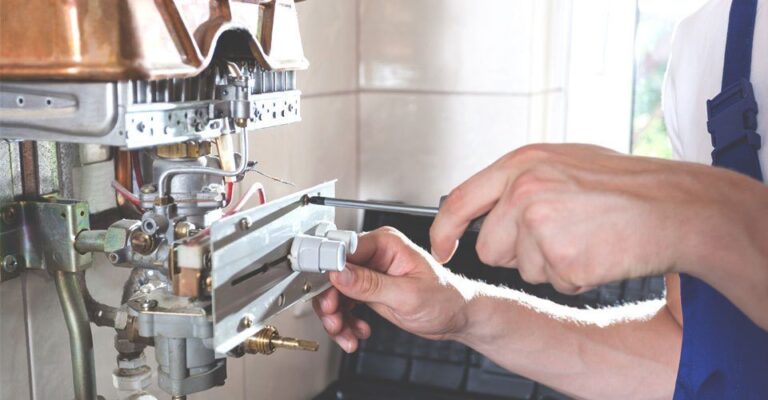
Boiler repair makes sense when a specific component fails while the rest of the system remains in sound condition. A faulty ignition control, leaking valve, worn pump, or malfunctioning thermostat may need attention without requiring extensive work on the entire boiler.
A full overhaul takes a broader approach. It addresses accumulated wear, cleaning requirements, deteriorating components, and operating problems across the system. The goal is to restore dependable operation and identify weaknesses that could cause another failure.
The key question is whether the problem starts with one component or reflects the boiler’s overall condition.
What Counts as a Boiler Overhaul?
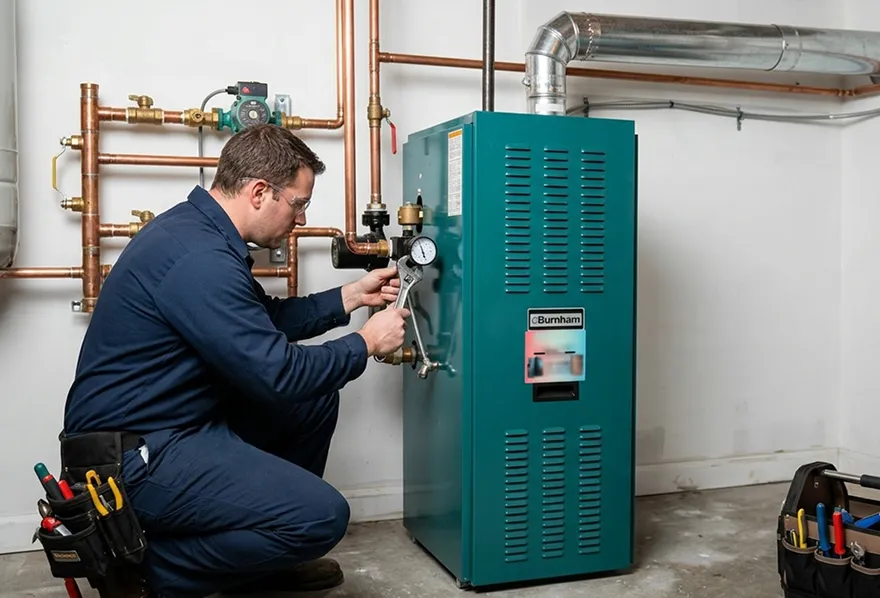
A boiler overhaul involves a detailed inspection and substantial servicing of the equipment. Depending on the boiler’s design and condition, the work may include burner servicing, heat exchanger cleaning, control checks, gasket replacement, and repairs to selected piping or safety components.
A commercial boiler overhaul in New York may also involve combustion testing, inspection of venting arrangements, and verification of operating limits. The scope depends on the equipment manufacturer’s requirements, applicable codes, and findings from the initial assessment.
An overhaul doesn’t automatically mean replacing every component. It also doesn’t guarantee that an aging boiler will perform like a new one. Hidden corrosion, damaged pressure-bearing surfaces, or obsolete parts can make extensive repairs impractical.
Repairable Components vs. System-Wide Wear
Some boiler problems remain relatively contained. A failed sensor, circulator pump, pressure gauge, or accessible valve may be repairable without major reconstruction.
System-wide wear is a different matter. Extensive corrosion, repeated leaks across multiple connections, persistent scale buildup, damaged heat transfer surfaces, or recurring combustion problems may indicate broader deterioration.
A technician evaluating boiler repair in Staten Island should examine the failed part and look for related damage. Replacing a pump, for example, won’t resolve poor circulation if sludge, blocked piping, or other restrictions cause the underlying problem.
The repair should address the cause, not just the latest symptom.
Cost and Downtime Considerations
The cheapest immediate repair isn’t always the least expensive long-term option. Several small service calls can gradually cost more than a planned overhaul, particularly when each visit addresses a different symptom.
Property owners should compare the estimated repair bill with the overhaul cost, likely future maintenance, energy consumption, and the consequences of an unexpected shutdown. Commercial buildings must also consider tenant comfort, business interruptions, and the availability of temporary heating arrangements.
Downtime depends on the work involved. A straightforward component replacement may take hours, while extensive cleaning, parts procurement, or pressure-boundary repairs can stretch the job across several days or longer. A technician should provide a realistic schedule after inspecting the boiler.
When Replacement Makes More Sense
Replacement deserves serious consideration when the boiler has extensive structural damage, critical parts are unavailable, or repair costs approach the price of a suitable replacement. Persistent inefficiency can also strengthen the case for a new system, although expected savings should be calculated rather than assumed.
An old boiler isn’t automatically beyond repair. Its age matters, but condition and service history matter more. A well-maintained unit may remain serviceable for years, while a younger boiler with severe corrosion or repeated failures may need replacement sooner.
What Happens During a Commercial Boiler Overhaul in New York?
Inspection and System Assessment
The process starts with a review of the boiler’s operating history, previous repair records, visible leaks, pressure readings, and combustion performance. Technicians inspect accessible components and identify concerns that require further testing.
For larger properties, the assessment should also consider heating demand, distribution piping, control settings, and whether the existing equipment remains suitable for the building.
Burner, Heat Exchanger and Controls
The burner receives attention because poor combustion can reduce efficiency and create safety concerns. A qualified technician checks burner condition, ignition, fuel delivery, and combustion performance.
The heat exchanger requires inspection for deposits, corrosion, cracking, and other damage. Controls and operating limits also need verification. Cleaning may improve heat transfer when deposits are responsible, but it cannot correct serious structural damage.
Piping and Safety Equipment
Technicians inspect accessible piping, valves, flanges, insulation, pumps, and connections for leaks or deterioration. Expansion tanks, pressure-relief devices, low-water cutoffs, and other safety controls require checks appropriate to the boiler design.
Repairs involving pressure-retaining components need particular care. Work must follow applicable codes, manufacturer guidance, and required inspection procedures. A commercial boiler should never return to service with unresolved safety defects.
Testing Before Return to Service
After the work, the technician checks operating pressure, temperature, burner performance, controls, and safety devices. The exact testing procedure depends on the equipment and the repairs completed.
The boiler should return to service only after the required checks confirm safe operation. Documentation of completed work and any remaining concerns helps property managers plan future maintenance.
Aging Boiler Warning Signs: Repair, Overhaul or Replace?
Several recurring symptoms can help guide the decision.
- Repeated shutdowns: Frequent lockouts or resets suggest a recurring fault that needs diagnosis. Replacing the same part repeatedly without finding the cause can waste money.
- Water and pressure problems: Persistent pressure loss, unexplained water consumption, or repeated leaks may point to a failing component or a wider system problem.
- Rising fuel consumption: Higher fuel bills can reflect poor combustion, heat loss, control problems, changing building demand, or other issues. A proper assessment helps separate these causes.
- Parts and serviceability: If essential components are obsolete or difficult to source, future repairs may become slower and more expensive.
Is it worth repairing an old boiler?
Yes, if the fault is limited, major components remain sound, and replacement parts are available at a reasonable cost. Age alone doesn’t settle the question.
At what point does repairing an old boiler become throwing money away?
Repairs become difficult to justify when major failures recur, structural damage appears, or the combined cost of repairs and continued operation outweighs the value of keeping the unit.
How long does a boiler overhaul take?
A limited overhaul may take a day or two. Extensive commercial work can take several days or longer, especially if technicians discover additional damage or must order specialized parts. The schedule depends on scope and access.
Can a boiler be overhauled without replacing the entire system?
Yes. An overhaul can retain the existing boiler while servicing or replacing selected components. However, a damaged pressure vessel or severely deteriorated heat exchanger may make replacement the safer, more practical choice.
How do you know when a boiler needs replacing?
Major structural damage, repeated breakdowns, unavailable parts, persistent safety concerns, and poor performance despite proper servicing all point toward replacement. A qualified assessment should confirm the decision.
How many repairs are too many for an old boiler?
There isn’t a universal number. Three minor repairs may be less concerning than one major failure. The pattern, total cost, severity, and underlying cause matter more than the repair count.
Conclusion
Choosing between boiler repair and a full overhaul starts with an honest assessment of the equipment. A focused repair can make sense for an isolated fault, while widespread wear may justify more extensive work. Replacement becomes the stronger option when safety, reliability, parts availability, or long-term costs no longer support keeping the boiler.
For property owners considering boiler overhaul in New York, Arnica Heating And Air Conditioning can help assess the system and identify practical next steps. A documented inspection is a better starting point than waiting for the next cold-weather breakdown.