Why does choosing the right AC suddenly feel like a bigger deal in New York?
It used to be simple. Buy an AC, turn it on, survive the summer. That logic is quietly fading.
Electricity rates in New York have been climbing, not dramatically overnight, but enough that people notice it when the bill lands. Summers feel longer too. Not just hotter, but stickier. The variety that makes you lower the thermostat again and again, hoping comfort catches up.
Oddly enough, the real issue is not just heat. It is how cooling systems respond to it.
A poorly matched air conditioner does three things almost immediately:
- Drives up energy bills without warning
- Leaves rooms unevenly cooled
- Breaks down more regularly due to strain
Here’s where things get interesting. Cooling is no longer about sheer force. Precision matters. That shift alone explains why homeowners are reconsidering the type of AC they install.
Quick comparison guide that clears the confusion
Prior to diving deeper, it helps to pause and look at the three systems without adding further complexity.
One-stage AC
- Runs at full capacity only
- Either fully on or completely off
- Works best in smaller or less frequently used spaces
Two-stage AC
- Operates at low and high settings
- Offers more balance between comfort and output
- Suitable for moderate usage patterns
Variable-speed AC
- Adjusts output continuously
- Runs longer at lower speeds
- Designed for consistent comfort and lower energy consumption
Now, a clearer snapshot:
Cooling efficiency
- One-Stage AC: Basic
- Two-Stage AC: Moderate
- Variable-Speed AC: High
Humidity control
- One-Stage AC: Weak
- Two-Stage AC: Better
- Variable-Speed AC: Strong
Energy usage
- One-Stage AC: Higher
- Two-Stage AC: Balanced
- Variable-Speed AC: Lowest
Ideal NY property
- One-Stage AC: Small apartments
- Two-Stage AC: Medium homes
- Variable-Speed AC: High-usage, multi-room homes
It looks straightforward on paper. In real homes, though, things rarely follow clean lines.
A quick insert that still holds up today
The following perspective still circulates among HVAC professionals and homeowners. It captures the fundamentals in a way that is hard to ignore:
It is normal to be confused and not determine which option will work for you. Let’s discuss the difference between single-stage, two-stage, and variable speed air conditioners.
A single-stage air conditioner’s compressor only has one mode of operation: full blast cooling. The compressor of a two-stage air conditioner performs on two levels: high for hot summer days and low for warmer days.
If you are living in hot and humid region, single-stage systems are not worth considering. Instead, you may opt for either a two stage or variable-speed system for your homes in Brooklyn, Queens or Manhattan. Whatever model you have, be sure to have it treated to routine service and upkeep. Call in professional experts for AC repair Brooklyn NY.
Difference of Different Type Air Conditioners
How Those Air Conditioners Work
- The compressor is what makes these air conditioners different.
- The compressors of single-stage air conditioners only have one speed: maximum blast.
- It’s the most common cooling process; the air conditioner is either turned on or off completely.
The compressors of variable-speed air conditioners run at varying speeds depending on the amount of cooling required. Rather than being entirely on or completely off, they have varying speeds. This enables your air conditioner to cool your home at lower speeds for longer periods of time while yet having higher speeds available in the event that the outside temperature climbs significantly.
Two-stage air conditioners are variable-speed air conditioners with only two settings: low and high. If you notice any issue with any of the systems, call in professionals for central air conditioning repair in Queens.
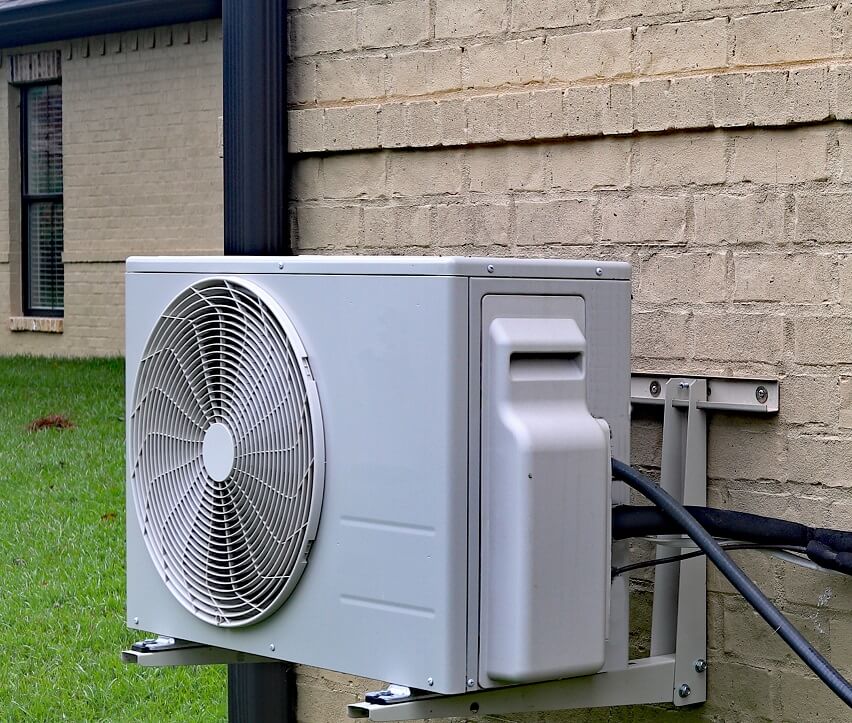
Benefits of Different Type Air Conditioners
It is noticeable that the single-stage AC lag behind the other two alternatives – two-stage air condition system and variable-speed AC in terms of performance, comfort and energy efficiency.
When it comes to these significant benefits, it’s that distinction (how they function) that helps variable-speed AC outperform single-stage air conditioners:
Moreover, the on and off cycles of a single-stage are shorter and more frequent.
A variable-speed air condition (and, to a lesser extent, a two-stage air conditioner) works at a lower setting for longer periods of time (consuming less energy) and experiences fewer on/off cycles.
In other words, because more energy is required to turn on a system, it costs less to run when it is turned on and off less frequently. Seek out professional assistance for central air conditioning repair in Manhattan.
What is Variable-Speed Compressor?
Variable-speed compressors are used in the outdoor air conditioner unit and help variable-speed blowers function better. So, while a variable speed blower may work with any type of air conditioner compressor, the blower and compressor work together to ensure great climate control, humidity management, working efficiency, and easy silent operation.
Why are variable-speed systems quietly taking over?
There is an obvious shift happening. Not loudly advertised, but visible if you talk to contractors or homeowners replacing older units.
- Smart thermostats now expect interactive systems
- Energy efficiency objectives are becoming stricter
- People are less tolerant of uneven cooling
Importantly, the idea of “always on but gentle” cooling is gaining traction. Instead of blasting cold air and shutting off, variable systems keep airflow steady. It feels less mechanical and more natural.
And yes, it changes how a home feels, not just how it cools.
Which AC actually works best across New York homes?
This is where theory meets reality.
Manhattan apartments
Space is tight. Usage is high. Noise matters more than people admit.
- Variable-speed systems tend to perform best
- They run quieter and avoid temperature swings
Brooklyn brownstones
Older wiring and ductwork complicate things.
- Two-stage systems commonly strike a practical balance
- Variable-speed works, but installation can get tricky
Queens multi-family homes
Mixed usage patterns. Some rooms always occupied, others not.
- Two-stage delivers flexibility without steep cost
- Variable-speed suits households valuing comfort
Staten Island homes
Larger layouts, more zoning needs.
- Variable-speed systems handle this best
- Uninterrupted airflow makes a noticeable difference
Why does humidity quietly ruin comfort?
Most people focus on temperature. That is only half the story.
New York summers carry moisture. That lingering density in the air is what makes 80°F feel worse than it should.
Single-stage systems have difficulty here:
- They cool quickly but shut off too soon
- Moisture does not get removed effectively
Variable-speed systems, on the other hand:
- Run longer at lower speeds
- Pull out more humidity over time
No wonder people describe the air as “lighter” after upgrading. It is not imagination.
What does the real energy cost difference look like?
On paper, efficiency ratings tell part of the story. Real life tells the rest.
Frequent on and off cycling in one-stage systems:
- Spikes energy usage repeatedly
- Adds wear and tear
Two-stage systems:
- Reduce some of that cycling
- Offer moderate savings
Variable-speed systems:
- Avoid sudden starts
- Keep steady, low consumption
The purpose is not just using less energy. It is using it more intelligently.
Why do people complain about comfort and noise?
This comes up more often than expected.
- Single-stage AC usually feels too cold, then suddenly warm
- Airflow is inconsistent
- Noise spikes during startup
Variable-speed systems smooth things out:
- Continuous airflow
- Lower operating noise
- More stable indoor temperature
It is less dramatic. And that is exactly the point.
Can upgrading be complicated in New York homes?
Yes, sometimes more than expected.
Older buildings may require:
- Electrical adjustments
- Ductwork evaluation
- Space planning for outdoor units
A common mistake is installing a high-end system without matching infrastructure. That usually backfires.
The goal should be alignment, not just upgrade.
What about maintenance and repair realities?
Not all systems age the same way.
- One-stage systems are simpler but wear out faster due to cycling
- Two-stage systems require moderate upkeep
- Variable-speed systems need skilled technicians
Here’s where things get interesting again. Newer systems usually come with diagnostic features. They flag faults early, preventing bigger failures.
So while repairs may feel specialized, they are often less frequent.
When is it time to replace an AC system?
There are signs people tend to ignore:
- Rising energy bills devoid of clear reason
- Rooms cooling unevenly
- Frequent service calls
Timing matters too. Upgrading before peak summer avoids rushed decisions and excessive costs.
Are variable-speed systems becoming the default?
It is heading that way.
Smart homes demand interactive systems. Energy monitoring tools reward efficiency. Regulations favor lower consumption.
New York, in particular, is leaning toward high-efficiency HVAC setups. Not as a trend, but as a necessity.
Is a variable-speed air conditioner worth it in NY?
For high usage homes, yes. It offers better comfort, reduced long-term costs, and improved humidity control.
Why does my AC keep turning on and off constantly?
That is typical of single-stage systems. It leads to higher energy use and uneven cooling.
Final verdict that avoids overthinking
- Budget-conscious users frequently lean toward two-stage systems
- Individuals prioritizing comfort and capability tend to choose variable-speed
- Smaller or short-term spaces may still work fine with one-stage
The goal is not chasing the most advanced option. It is choosing the one that fits how the space is actually used.
Conclusion:
Cooling decisions now carry long-term consequences. Efficiency, comfort, and system operation all matter more than before. The right choice feels subtle day to day, but shows clearly in energy bills and overall comfort.